
The pressure to make the "right" career choice is appearing earlier and earlier in high school: anxious families, insecure students, teachers trying to keep up, and school administrators being asked for immediate answers. This was the starting point for episode#49 of the SOS Gestor Escolar podcast, presented byThaís Bento and Roberta Bento, educators and founders ofSOS Educação, with the participation ofProf. Maurício Garcia, president of the Academic Council ofInteli.
Choice as the next step, not as a sentence
Maurício pointed out that anxiety is often a symptom of something bigger: the expectation that graduation will define the rest of one's life. In practice, today's careers are rarely linear. Changes of direction are part of the journey and often broaden one's repertoire and possibilities.
The role of school: curiosity and experimentation
To address the issue, Maurício pointed out two central roles of the school:
- Arouse curiosity to broaden the horizon of possibilities.
- Create experiences so that students can test their interests, learn from the process, and make more informed decisions.
How Inteli organizes project-based learning
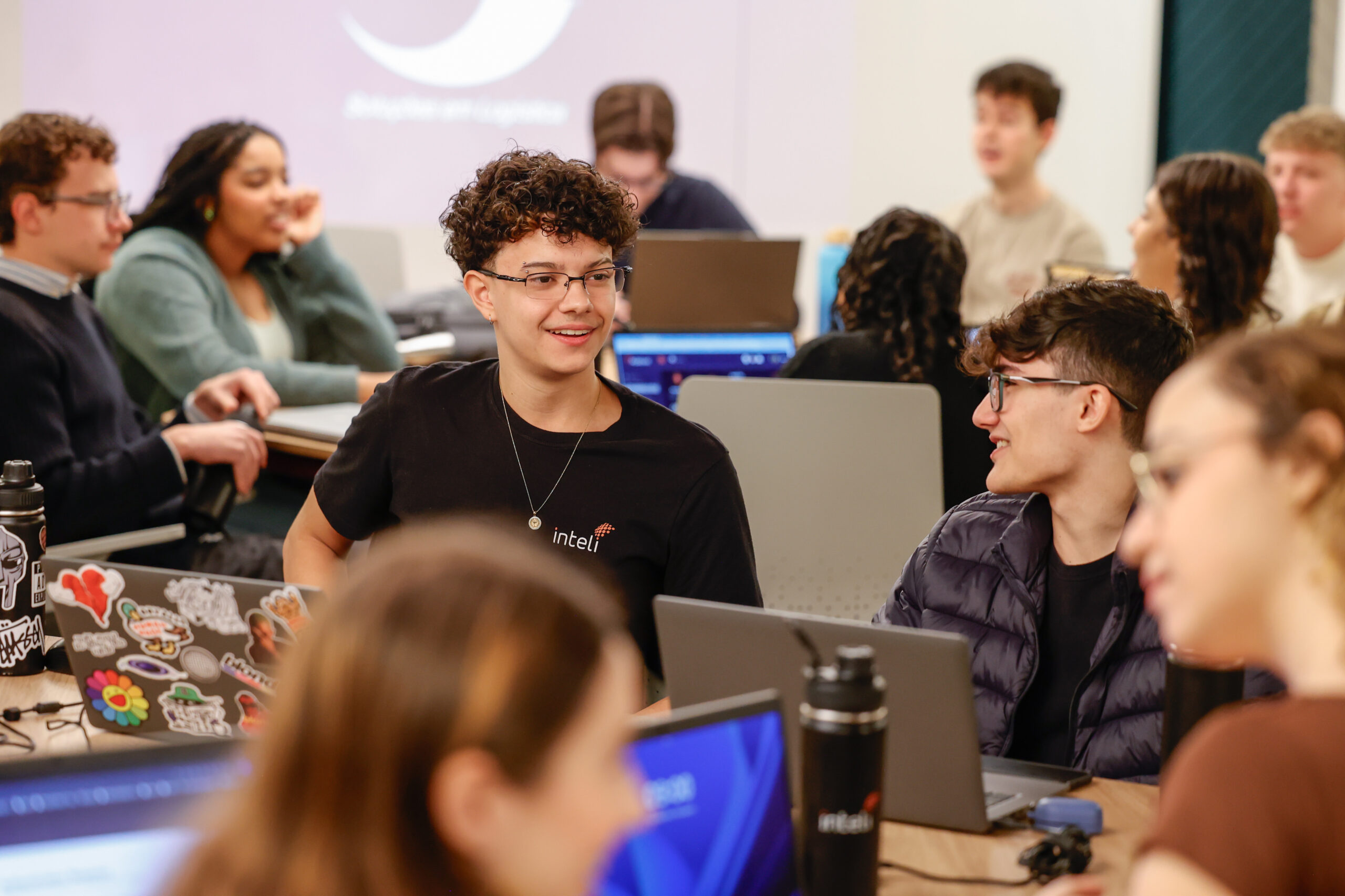
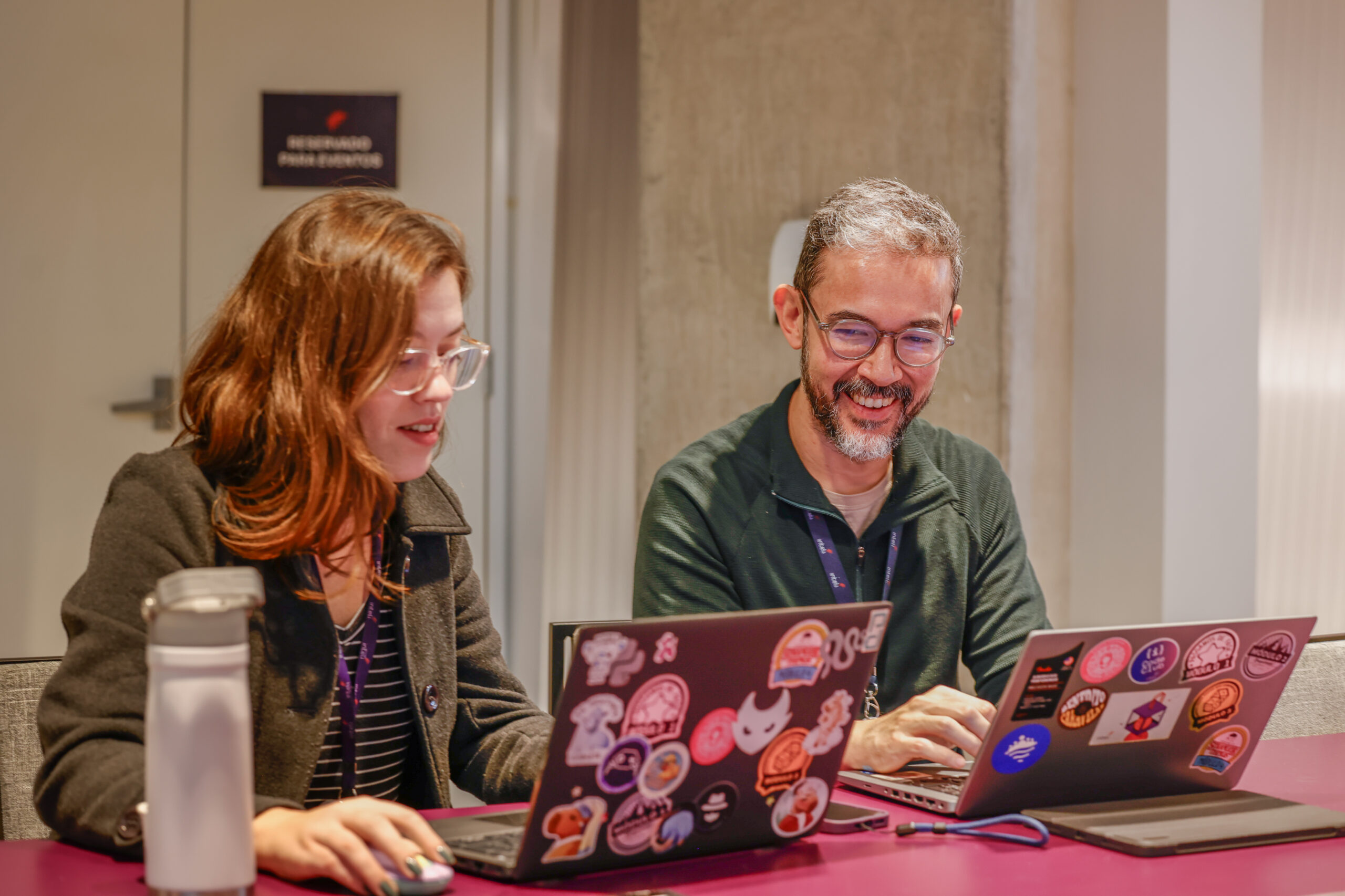
When explaining the Inteli model, Maurício described a methodology structured aroundprojects with real challenges, in short cycles and with frequent deliveries, bringing students closer to the complexity of the professional world.
The content does not disappear: it becomes a tool for solving concrete problems. In this format, learning gains context, which strengthens knowledge retention and application.
What remains for managers and families
The case presented in the podcast shows a possible solution: treating the topic as a collective endeavor, with frank conversations with students, participation from alumni with diverse backgrounds, and dialogue with families using data and resources.
The final message is straightforward: guiding career choices today requires less anxiety and more process. And schools play a decisive role in creating this environment of trust, learning, and autonomy.
Watch the full episode: