

Computer Science
Create the science behind all technology.
You'll create the algorithms and the fundamentals behind the artificial intelligence, systems, and applications that millions of people use, understanding not only the how, but also the why.
Build a solid foundation in computing and solve complex problems.
Inteli trains computer scientists with a solid foundation in computer science and mathematics, who are capable of creating general-purpose solutions, cutting-edge software architectures, and generating scientific and technological knowledge.
In addition to technical skills, you’ll develop business acumen in corporate finance, market intelligence, supply chain, logistics, and people analytics, as well as the social-emotional skills required for a leadership role in technology.
Skills and Competencies
Throughout the course, you will:
Defines the fundamental concepts of computing and applies that knowledge to the creation of software, hardware, and intelligent systems.
Specifies, designs, implements, and evaluates high-quality computer systems at every stage of development.
Manages computer systems projects and efficiently resolves complex problems.
Develops algorithms and analytical methods, applying computational thinking in addition to technology.
Develops an interdisciplinary, critical, and ethical perspective on computing, with self-directed learning, collaboration, and communication as integral parts of the work.
And in practice, how can you take action?

Working at Amazon, developing the AI models that recommend products to millions of customers.

At BTG, you can also create systems that detect financial fraud in real time.
Or build the next generation of language models at OpenAI.
Inteli Experience
PBL Methodology
You'll develop algorithms and AI systems to solve real-world problems for major partner companies from your first year through your senior year.
Center for Development and Leadership
One-on-one mentoring, preparation for recruitment processes, and career development starting in the first year.
Entrepreneurship Center
Real mentoring, career guidance, and the support system you need to finally get your idea off the ground.
Internationalization
Exchange programs with more than 60 partner universities, including NYU, Babson, and Technion.
World-renowned quality of education
Recognized by the WURI Ranking 2026 as the most innovative institution in Latin America.
Dual Degree
Students may earn a dual degree with other Inteli programs by completing two additional years of undergraduate study.
What you need to know
COURSE
Bachelor of Computer Science
MONTHLY FEE
R$ 7,780.00
(as of January 2026, subject to update in January 2027)
DURATION
4 years
ANNUAL OPENINGS
40
COURSE LOAD
4000 hours
SPORT
In person
Score:Grade 5 on the MEC*
*(Administrative Order No. 1,124, dated October 5, 2021)
Curriculum
Year 1 · Full-time program
Curriculum Common to All Courses
You'll work on technology projects alongside students from the other four programs and get an in-depth understanding of each program before making your choice.
Project 1
Digital Game – A digital game featuring its own characters, storyline, and mechanics, designed to assist institutions with their training and educational initiatives
Mathematics
- Functions
- Limits
- Derivatives
- Vectors
- Kinematics
- Linear Momentum and Collisions
Computing
- Introduction to Programming (Javascript)
- Object-Oriented Programming
- State machines
- Software Quality
Design
- Design Thinking
- Game Design
- Concept Art
- Narratives
- Level Design
- Sound Design
Business
- Games Market
- SWOT analysis
- Value Proposition Canvas
- Risk Analysis
- Pitch and Pitch Deck
Leadership
- Representativeness and Diversity
- Individual and Group Objectives
- Public presentations
Project 2
Web Application – A web system with back-end and front-end components, focused on data entry and retrieval, for various corporate applications
Mathematics
- Indefinite Integral
- Defined Integral
- Numerical Integration
- Propositional Logic
- Graphs, Trees
- Descriptive Statistics
Computing
- Databases
- MVC standard
- HTML, CSS, Javascript
- Node.js
- Unit Tests
- Network Fundamentals
Design
- Personas
- Prototyping
- Interface Design
- Usability
- Accessibility
- User testing
Business
- Product Life Cycle
- Design Thinking
- 4 P's of Marketing
- Branding
- PMI, PMBok, Agile
Leadership
- Leadership in conflict situations
- Cognitive Biases
- Empathy
Project 3
Logic for Prediction Using Artificial Intelligence – Using machine learning on databases to generate predictive models that aid in decision-making.
Mathematics
- Functions of several variables
- Partial Derivatives
- Multiple Integral
- Probability
- Inductive Statistics
- Linear Transformations
Computing
- Python language, Pandas, Numpy
- Pre-processing
- Feature Engineering
- Supervised and Unsupervised Learning
- Explainability
Design
- User Journey
- Data Visualization
- Storytelling with Data
Business
- LGPD
- Data Governance
- Corporate Governance
- Organizational Culture and Design
Leadership
- Ethics
- Feedback
- Vulnerability
Project 4
IoT Solution – Devices equipped with sensors and actuators that collect data and send it to the cloud, supporting monitoring and automation.
Mathematics
- Vector fields, Gradient
- Directional Derivative
- Power Series
- Electric Field
- Resistors / Capacitors
- Electromagnetism
Computing
- Basic Electronics
- Sensors and Actuators
- Microcontrollers
- Distance Communication
- Dashboards
- Security
Design
- Storyboard
- Interaction Design
- Interusability
- Digital Manufacturing
Business
- Industry 4.0
- KPIs
- Interest and Cash Flow
- Financial indicators
- Startup funding cycle
Leadership
- Environmental Impacts of Technologies
- Feedback techniques
- Psychological safety
Year 2 · Full-time program
Computer Science Resume
You'll dive into specific projects related to the course, such as high-performance algorithms, distributed systems, and blockchain.
Project 5
High-Performance Graph-Based Solution – A solution that uses graph structures and techniques to improve decision-making and optimization in real-world scenarios.
Mathematics
- Graph Theory
- Flow networks
- Formal logic
- Correction statement
- Mathematical induction
Computing
- Data structure
- Abstract data types
- Graph algorithms
- Analysis of algorithms
- Topological sorting
- Minimum paths
- Minimum spanning tree
UX and HCI
- Data representation
- Animation and interactivity
- Graph visualization tools
- Usability tests
Business
- Supply chain markets and trends
- Innovative supply chain applications
- Economic policies
- Financial products and capital markets
Leadership
- Building collaborative and diverse teams
- Storytelling in leadership
- Values, facts and opinions
Project 6
Combinatorial Optimization and Operations Research – Application of linear and integer programming algorithms to solve optimization problems in businesses in order to maximize profits (or reduce costs) or optimize the use of scarce resources.
Mathematics
- Modeling optimization problems
- Linear programming
- Simplex method
- Duality and sensitivity analysis
- Queue theory
Computing
- Linear, integer and mixed integer programming algorithms
- Dynamic programming
- Local search and backtracking
- Greedy algorithms
- Scheduling, Routing, Decomposition Techniques
- Computer theory
UX and HCI
- Geometric representation and graphic animation
- 3D graphic representation
Business
- Global supply chain, geopolitics and the Global Supply Chain Pressure Index
- Satisfaction, reputation and loyalty
- Lead funnel management
Leadership
- Argumentation, fallacies and spurious correlations
- Negotiation: me and the other
- Ethics and knowledge management
Project 7
Scalable application in distributed systems – A highly scalable, highly available, distributed, microservices-based system designed to solve real-world problems.
Mathematics
- Scalability metrics
- Reliability metrics
Computing
- Computer networks
- Cloud computing
- Infrastructure as code
- Servless development
- Requirements Engineering
- Software Architecture
- Database modeling
UX and HCI
- User Research
- Information architecture: foundations and methods
- Information Architecture: from context diagram to interface design
Business
- Value proposition of using cloud platforms
- Digital business scalability management
- Management and cost accounting
- Balance sheet
Leadership
- Psychological safety
- Feedback
- Experimentation Techniques
- Human-Centered Design as a management approach
- Agenda 2030 and SDGs
Project 8
IDE for accessibility on sensor-based devices – An IDE (Integrated Development Environment) whose interface allows for the programming of therapies or assisted activities using appropriate sensors.
Mathematics
- Number theory and modular arithmetic
- Secure Hash Algorithms (SHA)
- Symmetric encryption
- Public key cryptography and RSA
Computing
- Formal languages and automata
- Compilers
- Turing machine
- Computer architecture
- Operating systems
UX and HCI
- Ergonomics, accessibility and IDE interaction design
- HCI and Inclusive Design in Embedded IDEs
- Integrating FDIs to Enhance ADLs
Business
- Reflections on the third sector
- Social business
- Innovation economy
- Radical and disruptive innovation
- Digital transformation and open innovation
Leadership
- Do relationships and hierarchies have an impact on decision-making?
- Knowledge management
- Networking: how to create professional networks.
Year 3 · Part-time
Course + Internship
In your third year, you’ll continue with the program’s curriculum and can begin your internship, with support from the career services team.
Project 9
Deep learning system applied to computer vision – Creating models that use Convolutional Neural Networks (CNNs) and transfer learning to solve challenges in computer vision in order to improve the accuracy and efficiency of image analysis.
Mathematics
- Partial Derivatives
- Functions of several variables
- Downward gradient
- Multilayer perceptron
- Chain rule
Computing
- Image Processing
- Convolutional Neural Networks (CNNs)
- Object detection
- Image segmentation
- Pose estimation
- Transfer Learning
- Data augmentation
- Model Optimization and Regularization
Business
- Data-Driven Organizations
- Performance Analysis and Evaluation - Analytics
- Talent development
- Change Management
- Labor rights and duties
Leadership
- Engaging speeches
- Human rights and organizational relations
- Organizational alignment and value delivery
Project 10
Application of Artificial Neural Networks in Reinforcement Learning – Development of agents that optimize sequential actions in uncertain environments, using reinforcement learning to solve complex decision-making problems.
Mathematics
- Bayesian Statistics
- Statistics and Probability
- Optimization
- Information Theory
Computing
- Monte Carlo methods
- Markov Decision Processes
- Time difference methods
- Policies and strategies in reinforcement learning
- Exploitation and Exploitation
- Parallel computing.
- GPU Programming
Business
- Business Strategies with AI
- Mergers and acquisitions in times of AI
- Corporate structures and shareholder agreements
- Productivity
Leadership
- Influencing and argumentation techniques
- Organizational ethics and the limits of individual actions
- Influence and experience design
Project 11
Natural Language Processing System with Generative AI – An NLP and generative AI solution for understanding, interpreting, and generating human language in organizational applications.
Mathematics
- Cluster Analysis: proximity measures
- Linear algebra in word embeddings
- Information Gain and Entropy in the context of machine learning
- Time Series Analysis
Computing
- Recurrent Neural Networks (RNNs)
- Large Language Models (LLMs)
- Transfer learning
- Cluster parallel computing
- Programming paradigms and languages
Business
- Impact of generative AI on companies
- Environmental management
- Sustainability
- Frameworks for implementing business strategies
Leadership
- The positive impact that leaders can seek
- Unlocking the Power of Habit
- How leaders develop and monitor experiments
Project 12
Trends and Updates
This module covers the latest updates and emerging technological trends, providing an in-depth and practical understanding of innovations. The module is divided into two parts.
The first part, the “Technical Review,” is guided by continuous learning and the validation of that learning.
The second part, the “Special Project,” offers courses such as Fundamentals of Post-Quantum Security and Cryptography, Cybersecurity Risk Management, Immersive Experiences, and Business Games, covering technological trends and enabling students to explore new technological concepts and innovative applications, including Libras—Brazilian Sign Language.
Year 4 · Part-time
Career acceleration
In your fourth year, you choose which career path you want to focus on: entrepreneurship, academia, or the corporate world.
Entrepreneurship Track
- Creation and acceleration of startups
- Immersion in the entrepreneurial ecosystem
- Connecting with mentors and venture capital investors
Corporate Track
- Consulting projects for corporations
- Business immersions
- Preparation for selection and trainee processes in large companies
Academic Track
- Building research projects
- Writing scientific articles
- Preparation for entry to master's and doctoral programs
See it in action
Learn from the best

Flávia Santoro
Academic Director
She holds a bachelor's degree in Electronic Engineering from the Polytechnic School of the Federal University of Rio de Janeiro (UFRJ).
PhD and MSc in Systems and Computer Engineering from COPPE - Federal University of Rio de Janeiro (UFRJ).
Sabbaticals at the Université Pierre et Marie Curie, France (2004-2005) and Queensland University of Technology, Australia.
She has worked for 20 years as a teacher, course coordinator and researcher in Information Systems and Computer Science, focusing on Business Process Management, Knowledge-Intensive Processes, Knowledge Management and Collaborative Systems and Project-Based Learning.
He has more than 250 publications with various practical results.

Sergio Venâncio
Basic Cycle Course Coordinator (1st year)
7 years of experience as a professor and researcher in the field of UX (User Experience); 7 years as a professor and researcher.

Michele Bazana
Course Coordinator
Bachelor of Science in Electrical Engineering with a concentration in Electronics and a focus on Telecommunications, and a Master of Science in Mechanical Engineering with a concentration in Industrial Automation and Robotics. He has over 20 years of academic experience in management and teaching at the higher education level.

Lisane Valdo
Program Coordinator (4th year)
Electrical Engineering, with a Ph.D. and a master’s degree in Business Administration. Extensive experience in the corporate and academic sectors in strategy, management, and innovation.
Faculty
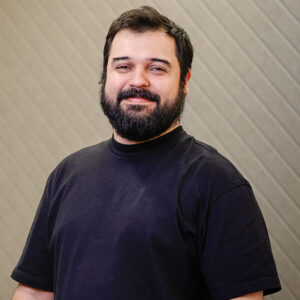
Afonso Cesar Lelis Brandão
PhD candidate in Electrical Engineering and Master's degree in Materials Engineering from Mackenzie Presbyterian University, with a background in Production Engineering and Civil Engineering. At Inteli, he teaches programming, artificial intelligence, and software architecture. He works on backend projects, demand forecasting, and scalable solutions using data and artificial intelligence.
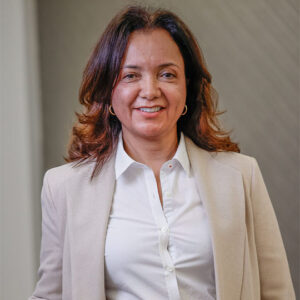
Ana Cristina do Santos
PhD in Electrical Engineering, with an emphasis on Biomedical Engineering from the University of São Paulo (USP), Master's degree in Computer Science and Computational Mathematics from the Institute of Mathematical and Computer Sciences at USP (ICMC-USP), in São Carlos, and a degree in Mathematics from Unesp. At Inteli, she works in project leadership and management, standing out for integrating innovative teaching practices with the development of human skills.

André Godoi
PhD in Electrical Engineering and Computing from Mackenzie Presbyterian University and Master's degree in Electrical Engineering from the National Telecommunications Institute (INATEL). At Inteli, he teaches courses on IoT, artificial intelligence, and embedded systems. With 19 years of experience in teaching and in the market, he connects applied technology, maker culture, and agile methodologies in innovative projects.

Andrea Zotovici
Ph.D. candidate in Space Engineering and Master's degree in Electrical Engineering, with multidisciplinary training in Computer Science and Mathematics. She has been working in higher education since 1996, with expertise in Numerical Methods, Computer Graphics, and AI.

Bruna Mayer Costa
Master's degree in Visual Arts from the University of São Paulo (USP), where she also completed her undergraduate degree in Visual Arts. At Inteli, she teaches UX and Design, exploring creative processes and visual thinking. An award-winning artist and researcher, she works with experimental methodologies that integrate aesthetics, language, and innovation.

Bryan Kano
Professor, researcher, and consultant in the areas of Innovation, Cybersecurity, and Artificial Intelligence. Master's degree in Computer Science (Cryptography) and specialist in AI from the University of São Paulo (USP). Bachelor's degree in Computer Science and specialist in Data Protection from Mackenzie. Works with emerging technologies such as quantum computing, post-quantum and homomorphic cryptography, language model security (LLMs), intelligent agent architectures, and computational privacy.
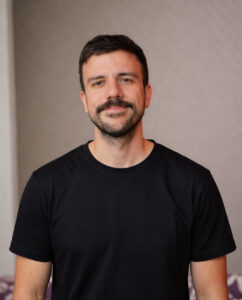
Cesar Almiñana
Master's degree in Electrical and Computer Engineering from Mackenzie Presbyterian University, with specialization in Big Data from FIA. At Inteli, he teaches in the areas of business and artificial intelligence. He works on AI and strategic planning projects, bringing experience from startups, consultancies, and large companies, with a focus on data, innovation, and strategy.
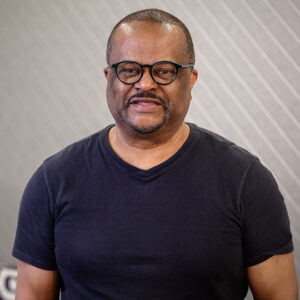
Claudio André
PhD in Education from the University of São Paulo (USP), with postdoctoral studies in Computer Science and training in mathematics, pedagogy, and IT. At Inteli, he works with digital education, leadership, and active methodologies. He has a 30-year career and is a reference in instructional design, inclusion, and educational entrepreneurship.

Krishna Irion
With a PhD in Computer Science from the Federal University of Uberlândia (UFU) and a master's degree in Language Sciences from the University of Vale do Sapucaí (UNIVÁS), Crishna has over 20 years of experience as a teacher and researcher. At Inteli, she teaches programming and leads initiatives focused on gender equality, computing marathons, and critical training in the field of computing.

Diogo de Morais
PhD in Business Administration from USCS and Master's degree in Biomolecular and Pharmacological Sciences from UNESP, with training in Mathematics, Statistics, and Data Science. At Inteli, he teaches courses in mathematical modeling and data analysis, combining applied research and practical teaching in Engineering and Management, with a focus on data-driven solutions for complex market challenges.

Egon F Daxbacher
PhD in Software Engineering and Programming Languages from the Federal University of Pernambuco (UFPE) and Master's in Business Administration from PUC-Rio. With a solid background as an executive in technology and education companies, he works at Inteli as a 4th-year coordinator and professor of Innovation and Digital Transformation, connecting market practice, strategy, and entrepreneurial culture.

Erinaldo Fonseca
PhD in Physics from UnB with postdoctoral studies at the University of Leeds (United Kingdom) and currently a postdoctoral researcher at Unicamp in Quantum Computing. Specialist in theoretical and computational physics, he is part of the Venturus Quantum Computing group, combining a solid scientific background with practical experience in Data Science and mobile development to promote technological innovation.

Fernando Pizzo Ribeiro
Electrical Engineer, Master's and PhD candidate in Electrical Engineering from FEI. At Inteli, he teaches courses in Engineering and Information Systems, focusing on mathematics and sustainability. He also works as a content producer and founder of educational support and social technology initiatives, promoting access, inclusion, and impact through innovation.

Filipe Gonçalves
Master's degree in Education from Universidade Cidade de São Paulo, with a specialization in Psychopedagogy and a bachelor's degree in Social Sciences from the University of São Paulo (USP). At Inteli, he works on projects focused on ethics, digital technologies, and human development. Founder of a laboratory for innovative pedagogical practices, he combines academic knowledge and practical experience in transformative education.

Fillipe Resina
Ph.D., Master's, and Bachelor's degrees in Computer Science from the University of São Paulo (USP). At Inteli, he works as a professor of Computer Science and researcher in Artificial Intelligence, with an emphasis on knowledge representation. He has experience in Java Web development and higher education, integrating solid academic theory with practical application in the classroom.

Flávia Santoro
PhD in Systems and Computer Engineering, with a master's degree from COPPE-UFRJ and postdoctoral studies in France and Australia. At Inteli, she is the academic director and teaches courses on IS, processes, and innovation. She is a researcher with over 250 publications and has been featured in international projects.

Geraldo Vasconcelos
Master's degree in Physics from UNICAMP, with a bachelor's degree and teaching certificate in the same field. At Inteli, he works as a coordinator and teacher in the areas of Mathematics, Statistics, and Physics. He has 10 years of experience in higher education and international collaborative research projects.

Heloisa Candello
A senior researcher with a Ph.D. from the University of Brighton (UK), she is a leading expert in Human-Computer Interaction and conversational interfaces with AI. She leads global studies on responsible AI agents and the social impact of technology, serving on prominent international committees. She has published extensively in the world’s leading computing and AI forums.

Henrique Mohallem Paiva
Lecturer in Signals and Systems at Unicamp, PhD and Master's in Electronic Engineering from ITA, graduate in Computer Engineering also from ITA, with postdoctoral studies at Concordia University (Canada). At Inteli, he works in mathematical modeling, computer simulations, dynamic systems, and educational research. With a solid background in the aerospace industry, he combines research and applied innovation.

Hermano de Oliveira Jr.
Master's degree in Computer Science from UNICAMP, with an MBA from FGV and training in Electrical Engineering, Management, and Projects. At Inteli, he teaches and coordinates technology and business courses. He works in educational innovation and business solutions, connecting theory, practice, and transformative leadership.
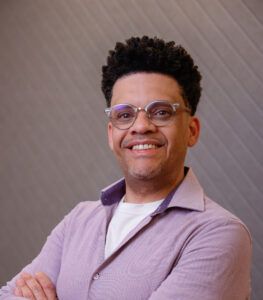
Jefferson De Oliveira Silva
PhD in Computer Science (IME-USP), master's degree from ITA, and bachelor's degree from PUC-SP. At Inteli, he teaches AI and Software Engineering, with a focus on algorithmic ethics. He researches algorithmic racism and develops solutions with social impact in partnership with companies and institutes.

José Romualdo Costa
Master's degree in Project Management from Universidade Nove de Julho (UNINOVE), specializing in Information Technology Governance. At Inteli, he teaches Software Engineering courses, focusing on digital transformation, cloud computing, and agile methodologies. With over 10 years of experience in the technology sector, he integrates practical innovation into the training of professionals prepared for the challenges of the market.

Julia Stateri
PhD in Visual Arts from UNICAMP and Master's degree in Education, Art, and Cultural History from Mackenzie Presbyterian University. With over 20 years of experience in cultural production and game development, she teaches gamification, media, and innovation projects at Inteli. She is a reference in playful narratives, diversity, and technologies applied to creative and inclusive education.

Laíza Ribeiro Silva
PhD candidate in Computer Science at the University of São Paulo (USP), master's degree in the same field, and bachelor's degree in Computer Science from UFSJ. At Inteli, she works as an undergraduate professor and on projects focused on public policies for education. She researches educational technologies, gamification, and human-computer interaction, connecting digital innovation and social impact.
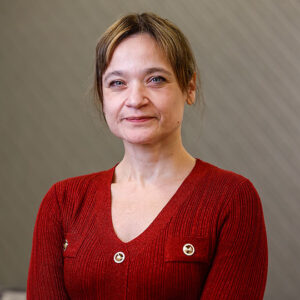
Lisane Valdo
PhD and Master's degree in Business Administration from FEI, with a specialization in Business Management from FGV-SP and training in Electrical Engineering. At Inteli, she teaches business courses, with an emphasis on strategy, management, and innovation. With extensive experience in the corporate and academic sectors, she connects theory and practice to train entrepreneurial and transformative leaders.

Luciano Galdino
Master of Science from the University of São Paulo (USP), with a degree in Mathematics and specialization in Physics. He has over 20 years of experience in teaching and working in industry. At Inteli, he teaches Mathematics, Physics, and Statistics with a focus on applications in Machine Learning, integrating rigorous theory, computational tools, and professional skills.

Marcelo Desterro
Master's degree in Finance from COPPEAD/UFRJ and bachelor's degree in Aeronautical Mechanical Engineering from ITA, with specialization in Economic Engineering and Production Engineering from UFRJ. He served for 10 years as Chief Financial Officer and has over 30 years of experience in corporate finance at large Brazilian companies, including board membership. Graduate professor since 2003.

Marcelo Gonçalves
Doctor and Master in Business Administration from Universidade Nove de Julho (UNINOVE), with experience in the IT sector and higher education. At Inteli, he works in the areas of Information Systems, Logistics, and Agile Management. He also leads projects in innovation, digital transformation, and information security, contributing to the training of versatile professionals prepared for the market.

Mauricio Garcia
With a PhD in Veterinary Medicine, a master's degree from USP, and an MBA from FGV, Mauricio has a solid academic background and extensive experience in educational leadership. At Inteli, he serves as an academic advisor, combining scientific training, strategic management, and technological innovation.

Michele Bazana
Master's degree in Mechanical Engineering in the field of Industrial Automation and Robotics, with a bachelor's degree in Electrical Engineering from INATEL. At Inteli, she coordinates the Computer Science and Computer Engineering courses, as well as the Electronics and Maker laboratories. With over 20 years of academic experience, she combines teaching and management with a focus on innovation, quality, and the practical application of knowledge.
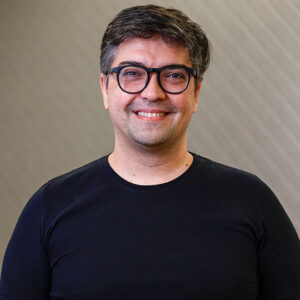
Murilo Zanini De Carvalho
Master's degree in Information Engineering from UFABC, with training in Mechatronics and technical areas of computing. At Inteli, he teaches and supervises projects in embedded systems, artificial intelligence, and digital business. He has experience with technology and innovation, and is a reference in the training of entrepreneurial leaders and the application of digital solutions in education.

Natalia da Rocha Kloeckner
With a PhD in Business Administration from FEA-USP and a master's degree in Logistics and Operations Research, Natalia has degrees in Economics and Business Administration. At Inteli, she teaches management, operations, and project management courses. She combines academic and practical experience, focusing on supply chain, strategy, innovation, and the development of solutions applied to the corporate and educational environments.

Ovidio Lopes da Cruz Netto
Doctor and Master in Biomedical Engineering from the University of Mogi das Cruzes (UMC), with degrees in Computer Engineering and Education. At Inteli, he teaches programming and works in educational leadership, integrating technology, innovation, and teacher training in high-impact interdisciplinary projects.

Pedro Teberga
PhD in Business Administration from FEA-USP, with a period at NOVA SBE (Portugal). Professor at Inteli, he has over 15 years of experience connecting strategy, digital transformation, and AI applied to business. An expert in active methodologies, he leads projects that integrate academic rigor with the market, focusing on the development of critical thinking and decision-making.

Rafael Donaire
PhD candidate and Master in Business Administration from ESPM, with an MBA in International Business Management from FGV. He has a solid track record in leadership and entrepreneurship positions, with international experience. He is currently a supervising professor at Inteli, leading projects at the intersection of business, technology, and leadership, focused on the practical application of corporate strategies.
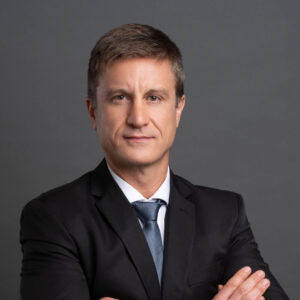
Rafael Jacomossi
PhD in Business Administration with postdoctoral studies in Economics and specialization in corporate and tax law. Rafael has a background in Law and Economics. At Inteli, he teaches Engineering and Business courses, focusing on Regulation, Compliance, Corporate Finance, and Economic Analysis.

Reginaldo Arakaki
Ph.D. and Master's degree in Electrical Engineering from the University of São Paulo (USP), with a bachelor's degree in Computer Engineering and Digital Systems from the same institution. At Inteli, he works on IoT and Digital Twin projects, promoting integration between academic research and innovative industrial applications.

Renato Penha
Doctor, master's and post-doctorate in Administration from Universidade Nove de Julho (UNINOVE), with specializations in Databases and IT Management. At Inteli, he coordinates the Information Systems and Software Engineering courses. With 25 years of experience in the sector, he connects market practice and academic excellence to student training.

Rodrigo Nicola
Master's degree in Aeronautical and Mechanical Engineering from the Technological Institute of Aeronautics (ITA), with a bachelor's degree in Control and Automation Engineering from the Mauá Institute of Technology (IMT). At Inteli, he teaches in the areas of machine learning and robotics. He has experience in maker culture, leads award-winning educational robotics projects, and develops open and accessible solutions with a focus on innovation and social impact.
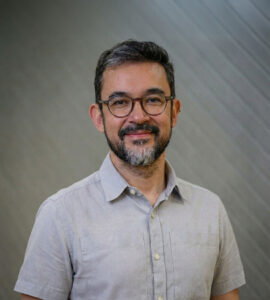
Sérgio Venâncio
Doctor and Master in Visual Arts from ECA-USP, graduated in Computer Science from Unicamp. At Inteli, Sergio coordinates the first-year classes and teaches Design and Computer Graphics. He works as a researcher and artist, developing interactive projects and exploring new digital languages.
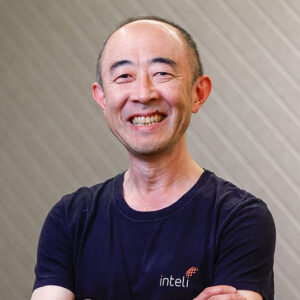
Tomaz Sasaki
Master's degree in Mechanical Engineering and bachelor's degree in Electrical Engineering with an emphasis on Automation and Control from the University of São Paulo (USP). He works as a software architect and professor of systems development. At Inteli, he shares his experience in critical solutions and high-performance environments, bringing students closer to the practical application of technology on a real scale.

Vanessa Tavares Nunes
PhD in Systems and Computer Engineering from the Federal University of Rio de Janeiro (UFRJ), where she also completed her master's degree in Computer Science and her undergraduate degree in Computer Science. With postdoctoral degrees from the University of Brasília (UnB) and Fluminense Federal University (UFF), she teaches Software Engineering at Inteli, connecting corporate architecture, project management, and applied research.

Wesley Santos
He holds a master’s degree in Computer Science, with a research focus on Data Science and Knowledge Engineering, from the Pontifical Catholic University of Rio de Janeiro (PUC-Rio), and a bachelor’s degree in Information Systems from the Federal University of the State of Rio de Janeiro (UNIRIO). He has 9 years of industry experience, having held various roles throughout the technology solutions development chain. He works at Inteli as a professor and researcher in the fields of Computing and Business.