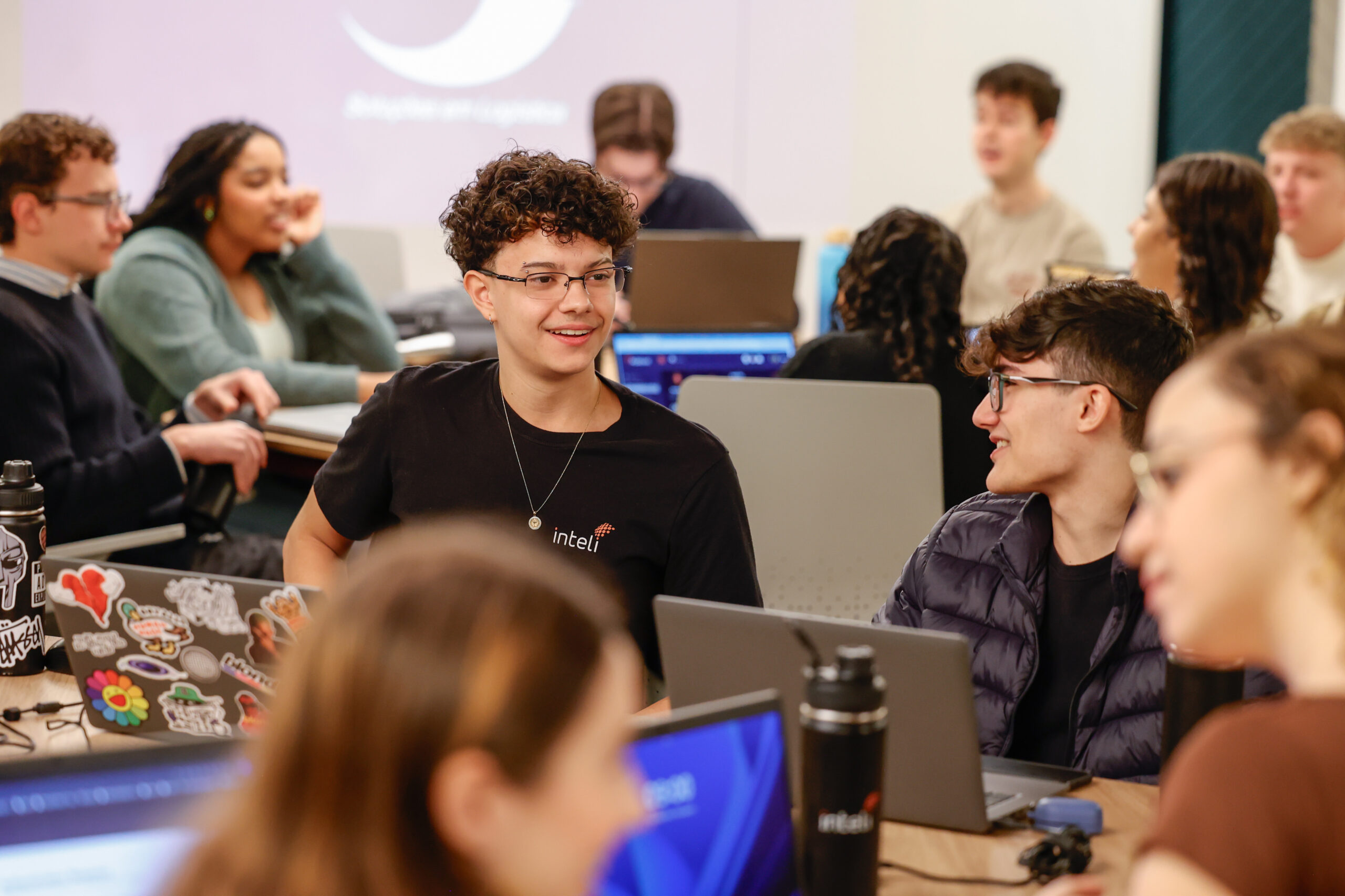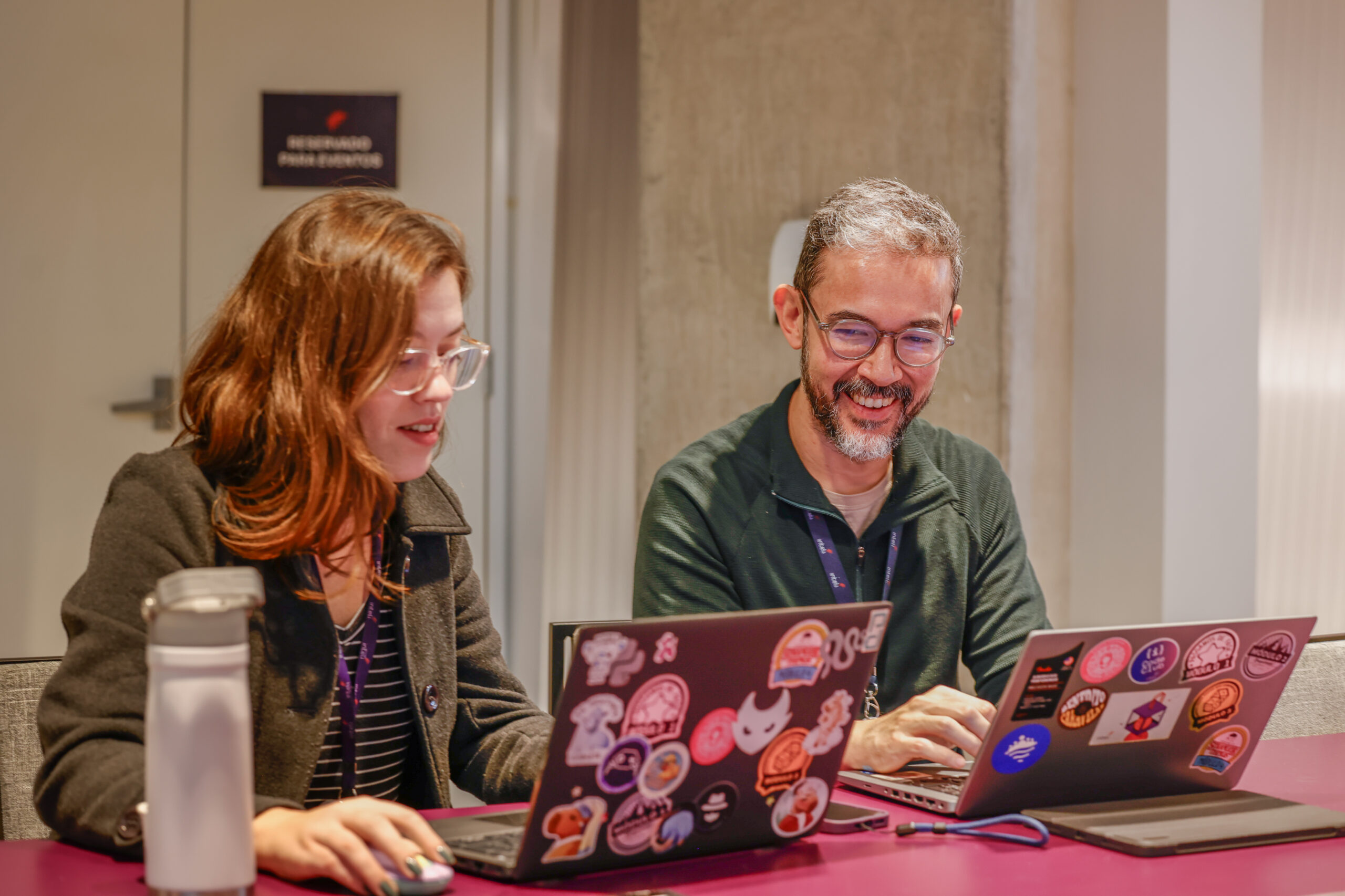

Can you imagine starting your career in computing in an environment that values creativity, collaboration, and, above all, diversity? This was the scenario experienced by the members of the Grace Hopper Collective, who organized a ten-week training project with the aim of encouraging Inteli students to learn about the programming marathon.
Created at Inteli, the Grace Hopper Collective is a community formed by and for women, dedicated to promoting female leadership, visibility, and empowerment in computing.
Grace Hopper was a pioneer in computing and mathematics who played a decisive role in the history of technology: she created the first compiler, directly influenced the design of the COBOL language, and transformed the way we program and use computers. Her visionary legacy inspires the collective that bears her name and seeks to shape the future of technology with more female leadership.
Inspired by the trajectory of this historical role model, the collective encourages more girls to occupy prominent positions, develop technical confidence, and take the lead in building the technological ecosystem.
The project combined remedial classes with weekly programming challenges, offering students the opportunity to develop, step by step, the technical and cognitive foundations necessary to work in high-performance environments. More than just learning algorithms, they built confidence, autonomy, and a sense of belonging—essential elements for sustainable careers in technology.
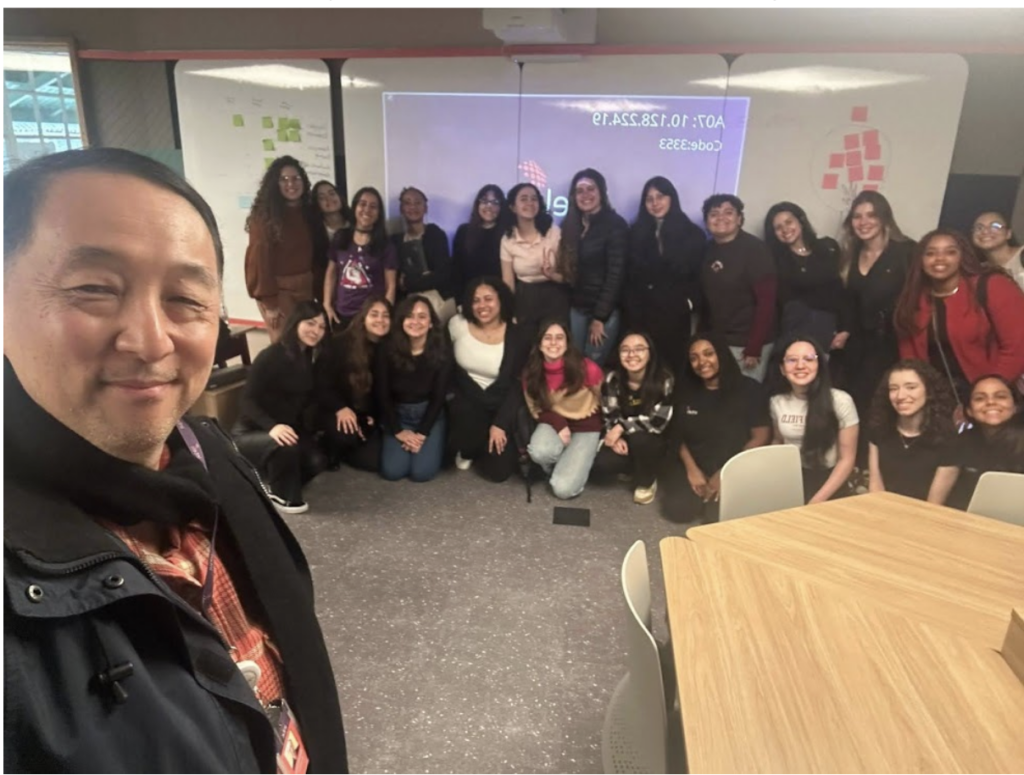
Throughout the preparation process, the transformative impact of initiatives that promote the entry of more girls into computing became evident. The presence of women in traditionally male-dominated spaces not only broadens perspectives but also enriches the very construction of technological knowledge. Diversity, after all, is not just a social issue: it is a driving force for innovation.
And this is precisely where collaborative programming stands out. Despite bearing the name "marathon," the experience goes far beyond competition. It encourages dialogue, the exchange of strategies, mutual support, and the joint construction of solutions. Every mistake becomes a learning experience; every success, a shared achievement. In this safe and motivating environment, students developed logical thinking, autonomy, resilience, and structured problem-solving skills—fundamental competencies for any technology professional.
The journey culminated in the mini marathon, a milestone for Inteli and the collective, held on December 1, 2025. More than a technical event, it was a celebration of representation: girls programming, testing hypotheses, overcoming challenges, and occupying a space that is rightfully theirs. It was concrete proof that when institutions commit to diversity and inclusion, they not only train programmers—they train protagonists of a more plural, ethical, and innovative future.
The ten-week cycle ends, but its reverberations continue.
There are still many challenges for women in programming, but initiatives like this create an environment that helps reduce barriers and motivate more girls to pursue and grow professionally in the field of technology.
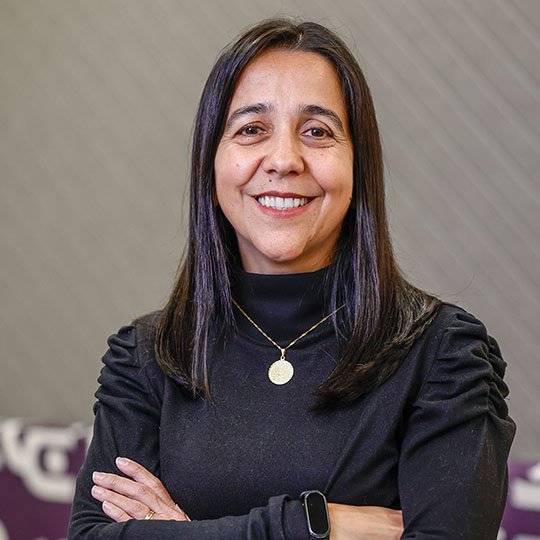
Supporting this project represents an opportunity to combine my more than 15 years of experience in programming marathons with the development of training activities that prepare students, strengthen computer science education, and promote competitive programming. In addition, the project drives an essential movement to increase female representation in the field.
Prof. Crishna Irion