
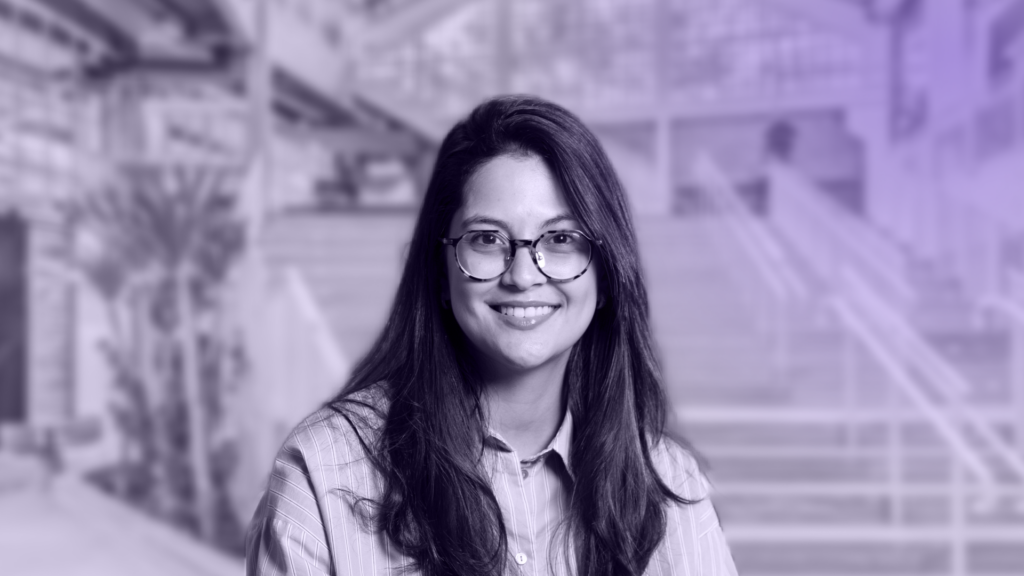
In this special episode of InteliCast, we welcome three guests who are deeply involved in Brazilian education: Laís Carvalho (deputy head of teaching at Beacon School), Helena de Salles Aguiar (planning director at Colégio Bandeirantes), and Paulo de Camargo (journalist and leader of Projeto Devir). Together, we talk about the decisive moment that high school education faces today, and how artificial intelligence, assessment models, and career choices are pushing this cycle to reinvent itself.
More than definitive conclusions, what emerges from the conversation is a shared diagnosis: high school has become a period of enormous dedication and little clarity, in which students and families have expectations that are too high for a system that offers paths that are too narrow. AI, in turn, acts as an accelerator of these tensions, exposing the urgency of reviewing teaching practices, assessment, and teacher training.
Another strong point that emerges is the balance between the individual and the collective. Technology opens doors to personalization, but school remains, essentially, a space for socializing, identity, and human development. The question is not “how to replace teachers?” but rather “how to strengthen the role of teachers in a world where AI is part of students’ daily lives?”
And underlying all this is the great dilemma: how can we prepare young people for professions that do not yet exist, when the main process for entering higher education remains tied to a single exam, focused on content and highly exclusionary?
This is precisely where the Inteli model comes in. The episode reinforces why we make choices that deviate from the norm:
- Real-world projects from the first year, so that students learn by solving relevant problems, rather than just repeating content.
- Intentional use of AI, with moments when it is a tool and moments when it is prohibited, always with pedagogical clarity.
- An assessment that looks at potential and trajectory, not just a single day's performance.
- Human development as a central focus, because critical thinking, collaboration, and ethics have never been more necessary.
The full video presents an open, honest, and thought-provoking debate, which is exactly what education needs if it is to keep pace with the world.
It is worth watching, reflecting on, and continuing this conversation at home, at school, and in the community.