
Graduating Inteli's first class is a symbolic milestone and also a moment of confirmation. After four intense years, we can clearly see Project-Based Learning (PBL) as the structure that supports training that is truly aligned with the future of work.
When we designed Inteli's pedagogical model, our ambition was clear: to train professionals capable of navigating a world in permanent transformation. PBL was chosen because it delivers exactly that: autonomy, depth, technical rigor and a real ability to solve problems.
Four years later, we have found concrete evidence of this wise choice:
- Learning in practice:
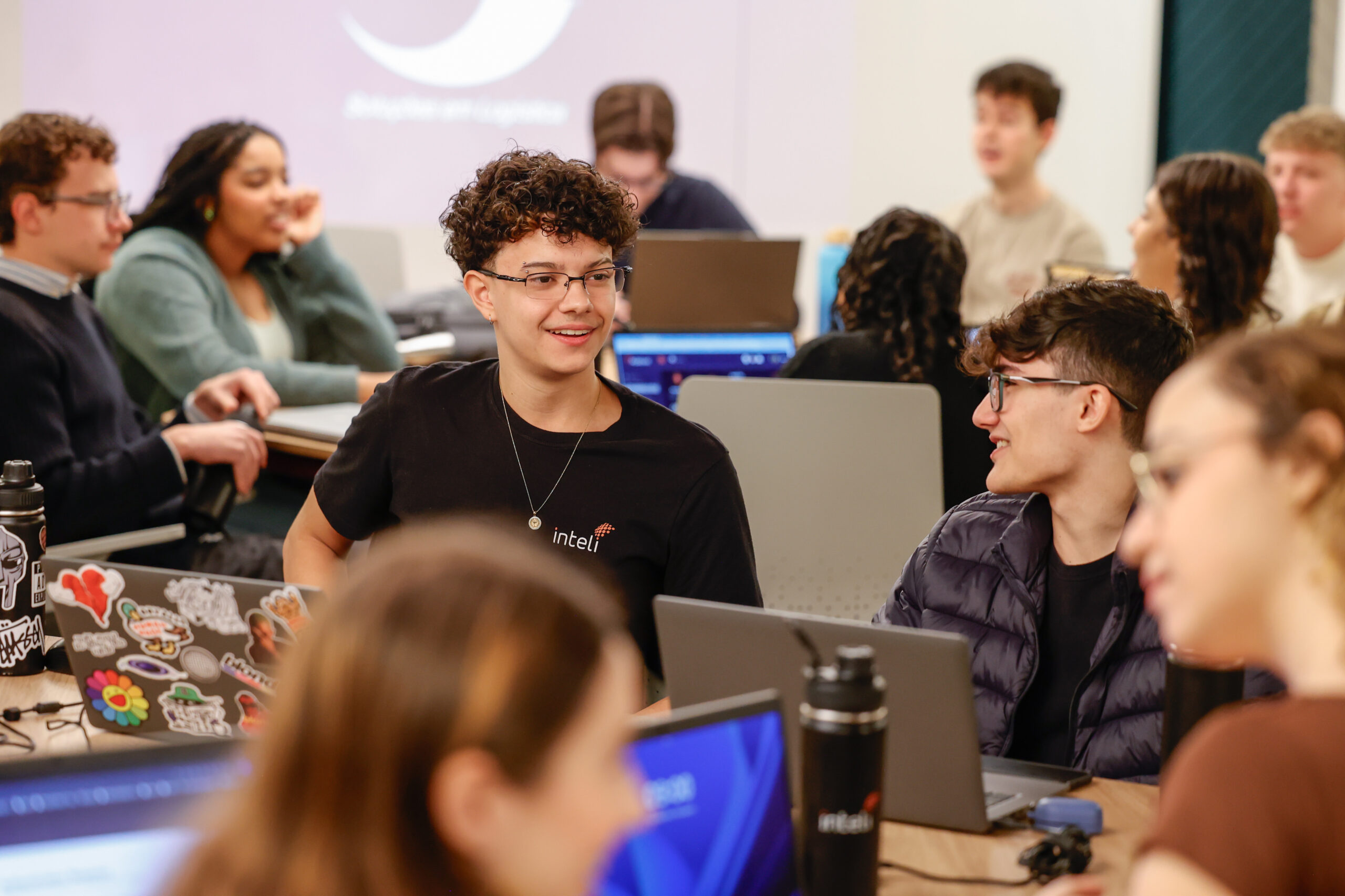
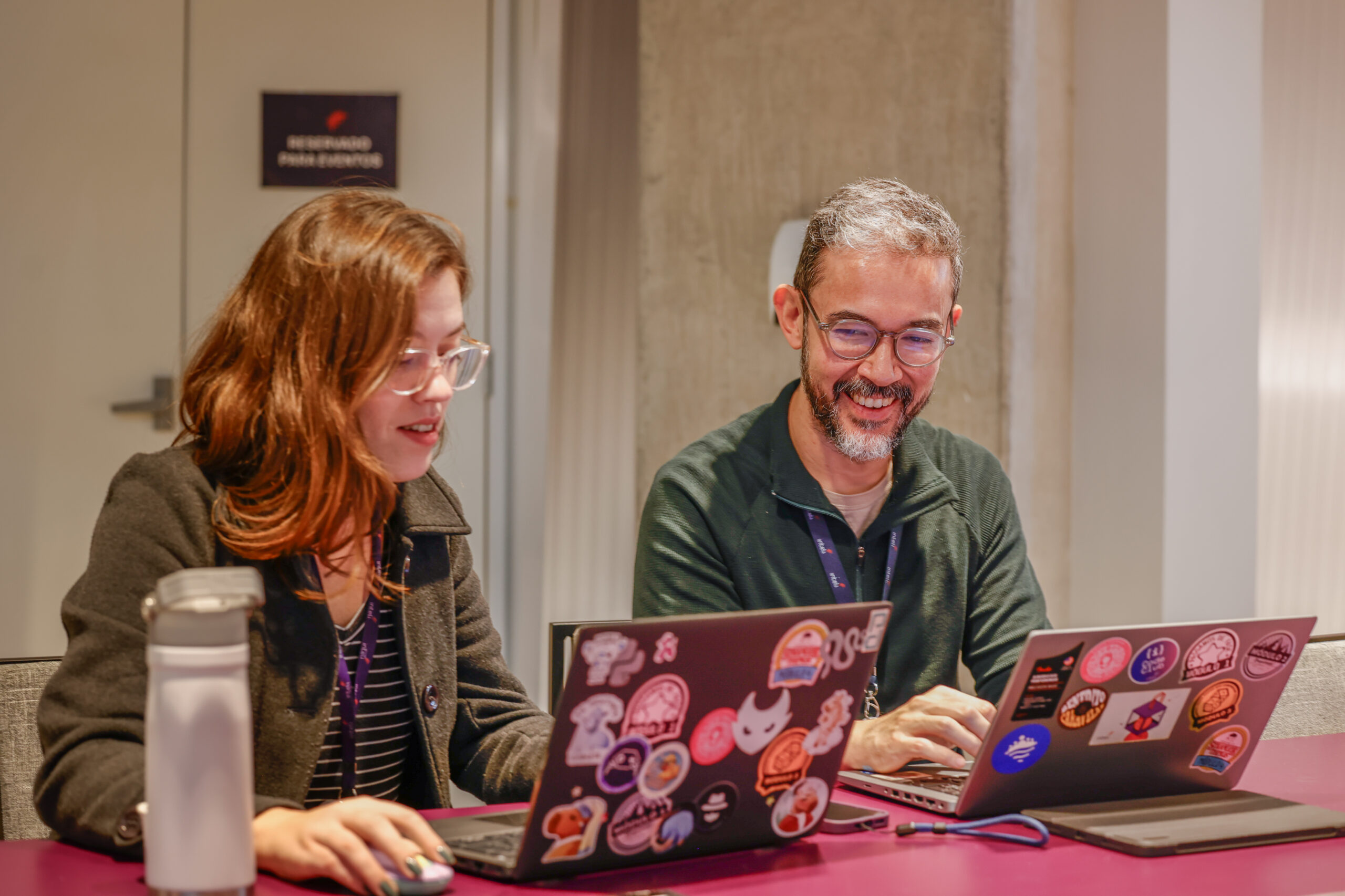
Every 10 weeks, our students work on a real project in partnership with companies such as Google, IBM, Ambev and BTG Pactual. - Career building from an early age:
With a professional portfolio built up throughout the course, many receive internship and job offers in the very first years.
In our first class, 96% are already employed, undertaking or involved in academic research. - An environment that welcomes, develops and drives:
Leadership, creativity, responsibility and teamwork are encouraged on a daily basis, always with psychological support, mentoring and individual accompaniment. - Training that unites technology, self-knowledge and impact:
Here, our students develop mastery in AI, data and computing while strengthening competencies in leadership, entrepreneurship and innovation with ethics and purpose.
In other words, the market recognizes something we see every day: our students arrive prepared.
The world changes, PBL goes with it
In global discussions about higher education, one issue is coming up with increasing force: how long will a degree alone be enough? With the acceleration of AI, new skills, the reconfiguration of careers and the end of rigid boundaries between jobs, the answer is uncertain. What hasn't changed is the need to train people who are able to learn continuously and adapt quickly.
PBL puts the student in this position from day one. And that's the difference that puts us ahead today.
An open model, replicable and in dialog
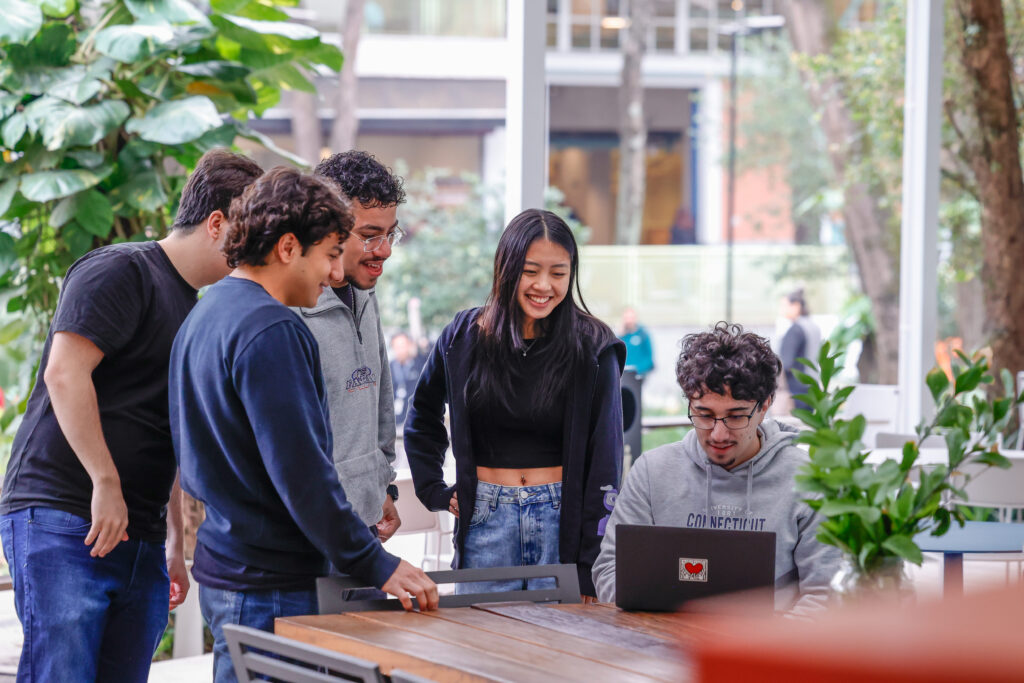
We have always maintained that active methodologies are nobody's property. That's why we share our experience with schools, universities and education networks in workshops, visits and initiatives such as Inteli Camp.
We don't want other institutions to "copy" Inteli, we want them to reflect on autonomy, practice, experimentation and purpose. When that happens, the whole country moves forward.
What we've learned along the way
PBL works because it is alive. It requires work from the students, prior study, constant reflection and a committed teaching staff. There is no magic methodology, there is shared dedication.
And this is the greatest legacy of our first cycle: to prove, with results, that Brazil can have higher education of excellence, connected to innovation and social impact.